Why Nutritionists Love Chia Seeds: Science-Backed Benefits
- rarerealrr
- Jul 24, 2025
- 3 min read
Updated: Jul 25, 2025

Let’s be honest, if there’s one little seed that’s quietly taken over our breakfast bowls and smoothies, it’s the chia seed. At first glance, they may resemble bird food. But don’t let their size fool you, these tiny black seeds are a powerhouse of nutrients. No wonder nutritionists everywhere are raving about them!
If you’ve ever wondered whether the chia hype is real, you’re in the right place. Let’s dig into what makes these seeds such a smart (and simple) addition to your diet with some solid science to back it up.
Packed With the Good Stuff
Just two tablespoons of chia seeds can provide a significant nutritional boost. We're talking:
Loads of fiber (about 10 grams!)
Plant-based protein
Healthy fats, especially omega-3s
Calcium, magnesium, and antioxidants
Basically, they’re like nature’s multivitamin.
“Chia seeds are one of the richest plant-based sources of omega-3s and fiber. They support heart, gut, and metabolic health,” says Dr. Megan Rossi, a leading nutrition researcher.
💖 Good for the Heart
Eating chia seeds regularly can do your heart a lot of good. A study in Nutrition Research (Nieman et al., 2012) found that people who added chia to their diet had lower triglycerides and better levels of HDL (the “good” cholesterol).
Plus, the omega-3s in chia have anti-inflammatory properties, which help your heart stay happy and healthy.
🌾 Gentle on Your Gut

One of the best things about chia seeds? Their fiber content. They form a gel-like texture when soaked in water, which can help your digestion, keep you regular, and feed the good bacteria in your gut.
“The gel from soaked chia seeds acts like a prebiotic, helping your gut flora thrive,” explains Dr. Lisa Mosconi, nutrition expert and neuroscientist.
If you're trying to boost gut health naturally, chia seeds are an easy win.
🧠 Brain Food (Really!)
Omega-3s aren’t just good for your heart—they’re essential for brain health too. While chia seeds contain ALA (a plant-based omega-3), studies suggest it may still play a role in reducing inflammation and supporting brain function as we age (Freeman et al., 2006).
In short: they’re tiny brain boosters.
⚖️ Helps You Feel Full (Without Overeating)
If you’re always hungry an hour after breakfast, chia seeds might be your new best friend. Thanks to their fiber and protein combo, they help you feel full and satisfied longer.
In fact, one study found that adding chia to yogurt helped people stay full for longer (Ulbricht et al., 2009). So yes, chia seeds can actually help curb those annoying snack cravings.

🛡️ Natural Antioxidant Boost
Chia seeds are full of antioxidants like quercetin and kaempferol, which help protect your cells from damage and inflammation. These compounds may even slow signs of aging and reduce the risk of chronic disease.
“It’s not just about nutrients—chia contains natural compounds that help fight oxidative stress,” says Dr. Josh Axe, a clinical nutritionist.
⚠️ A Few Things to Keep in Mind
While chia seeds are amazing, here are a few friendly reminders:
Always soak them before eating, especially if you’re having more than a spoonful (they absorb a lot of liquid).
Ease into it if you’re new to high-fiber foods—start small and drink plenty of water.
If you’re pregnant, breastfeeding, or on medication (especially blood thinners), check with your doctor.
✅ Final Thoughts
Nutritionists love chia seeds for a reason—they're easy to use, budget-friendly, and absolutely packed with health benefits. Whether you’re trying to eat cleaner, manage your weight, or just want a boost of energy, adding a spoonful of chia to your meals is a simple step that can make a big difference.
🛒 Where to Buy Chia Seeds
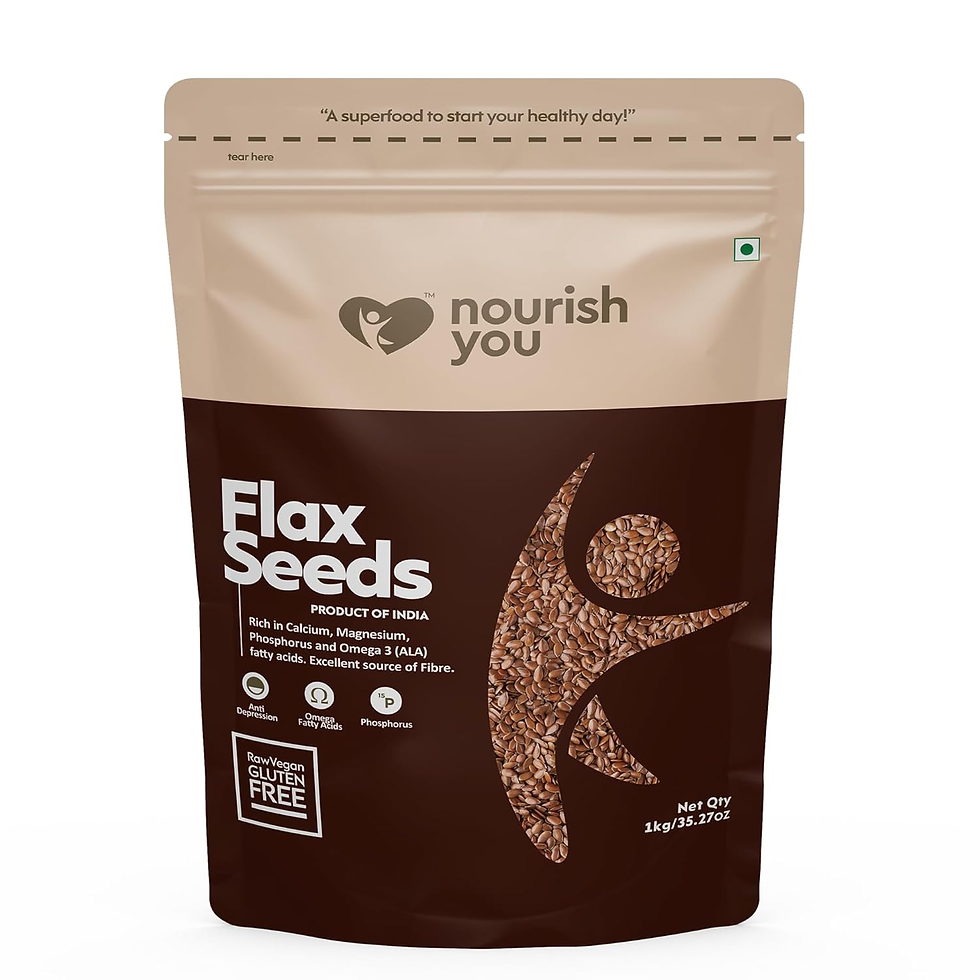
There are many options, but if you're looking for a quality brand I’ve personally tried and trust, you can find one here on Amazon. It’s affordable, comes in a resealable pack, and has thousands of positive reviews.
📝 Sources:
Nieman DC, et al. (2012). Nutrition Research.
Ulbricht C, et al. (2009). European Journal of Clinical Nutrition.
Freeman MP, et al. (2006). Journal of Clinical Psychiatry.
USDA FoodData Central.
Expert quotes from Dr. Megan Rossi, Dr. Lisa Mosconi, and Dr. Josh Axe.
Comments